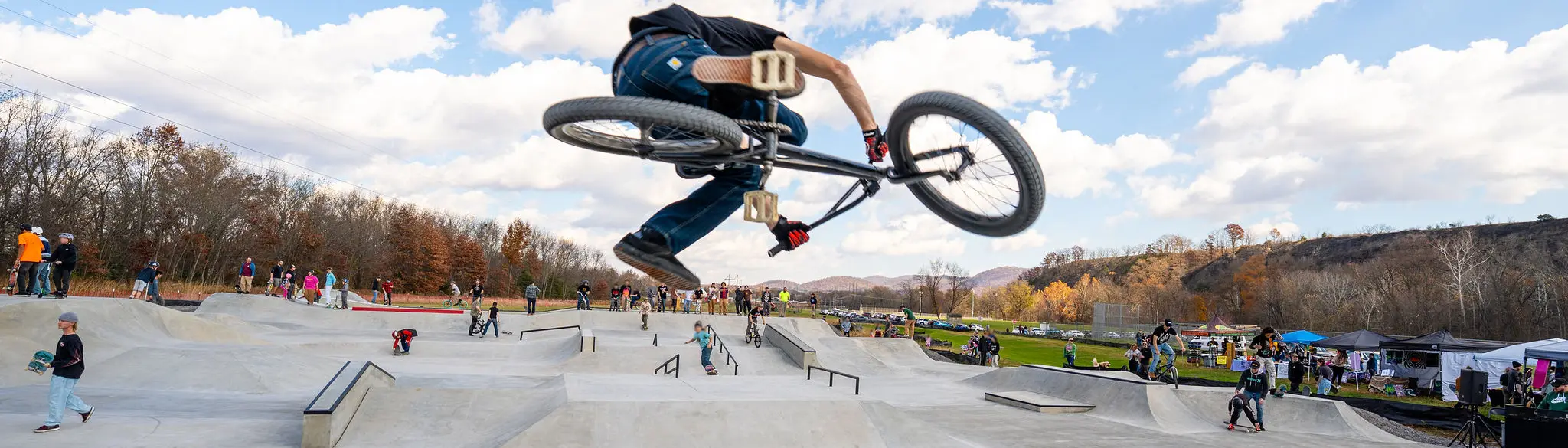
Skating & Well-Being: Why It Matters
At the Cumberland Skatepark Association, we believe that skateboarding and other action sports are more than just hobbies; they’re powerful tools for personal growth, healing, and connection. Whether you ride a board, bike, scooter, or skates, time spent at a skatepark can improve mental health, reduce stress, and foster a sense of belonging.
A Safe Outlet for Expression and Growth
Skateparks offer young people a safe space to challenge themselves, build resilience, and explore self-expression. Skating teaches perseverance, creativity, and problem-solving skills that extend far beyond the park. The repetition of trying, failing, and succeeding helps youth build confidence and self-esteem.
According to studies from The Skatepark Project and University of Southern California, more than 75% of people skate to have fun and escape stress. It’s no surprise that skating has become a lifeline for many young people navigating the pressures of adolescence.
Building Social Connections
Skateparks naturally bring people together. They are inclusive spaces where individuals of all backgrounds can connect through a shared passion. For many skaters, the community they find at the park becomes a second family, one that celebrates diversity, supports growth, and offers peer mentorship across generations.
Research shows that skateparks foster intercultural communication and offer a rare space where young people can safely engage across lines of race, gender, and economic status. For youth who may feel excluded from traditional sports or clubs, skateparks provide a welcoming alternative.
Mental Health & Healing
Skating has proven benefits for mental health. Movement and time spent outdoors boost mood and reduce symptoms of anxiety and depression. For youth with histories of trauma, including those affected by Adverse Childhood Experiences (ACEs), skateboarding can serve as a protective factor, an activity that promotes emotional regulation, physical release, and social connection.
Programs like Hull Services’ “Push to Heal” demonstrate how skateboarding can support therapeutic goals for youth impacted by poverty, violence, or mental health challenges. These efforts align with modern neuroscience that emphasizes the role of play and physical activity in healing trauma.
Affordable, Accessible, and Life-Changing
Unlike many organized sports, skating doesn’t require expensive fees or elite equipment. Skateboarding is the third least expensive sport in the U.S., making it more accessible to youth from all income levels. For families who can’t afford travel teams or private lessons, skateparks provide a critical alternative, free, local, and open to all.
In a time when fewer children from low-income households are able to participate in traditional sports, skateparks are helping to level the playing field, offering a chance to move, belong, and thrive.